¿Qué es la Enfermedad de Peyronie? andropeyronie tratamiento no quirúrgico
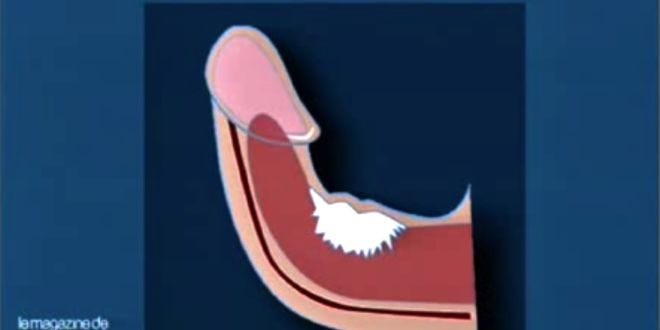
La enfermedad de Peyronie es el crecimiento de tejido cicatrizal fibroso dentro del pene que generando erecciones dolorosas y curva el pene. Loa penes varían en tamaño y forma, y que posee una erección curva no es necesariamente un motivo de atención o preocupación. Pero la enfermedad de Peyronie desencadena una curvatura o dolor significativo en algunos hombres.
Esto puede obstaculizar de tener relaciones sexuales o puede hacer que sea difícil para desarrollar o mantener una erección (disfuncion erectil). Para muchos hombres, La enfermedad de Peyronie y también genera ansiedad y el estrés.

En la enfermedad de Peyronie el tratamiento puede ser necesario si la curvatura es lo suficientemente grave que impide una relación sexual satisfactoria.
síntomas y signos de la enfermedad de Peyronie pueden surgir de repente o poco a poco aumentar. Los signos y síntomas más comunes incluyen:
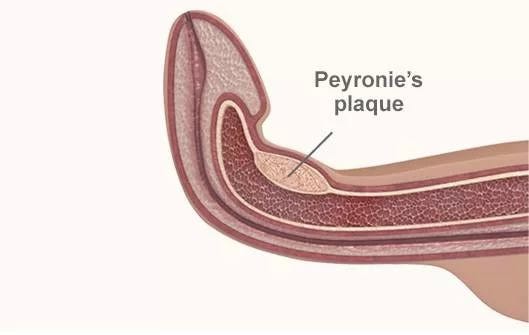
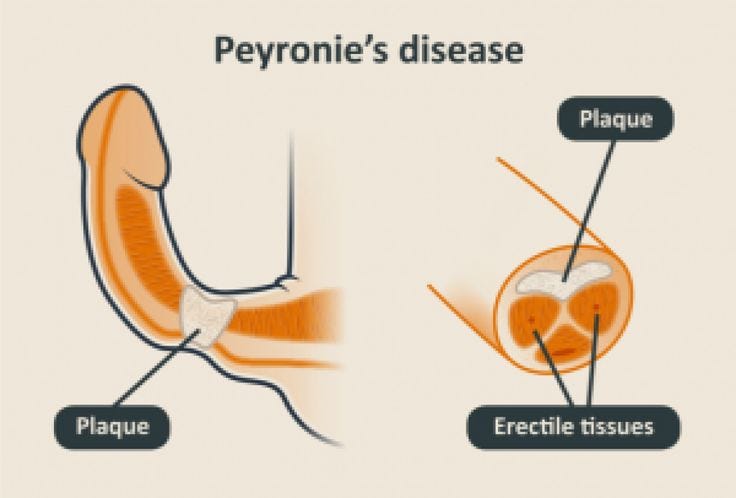
Una placa o fibrosis . El tejido de la cicatriz (placas) vinculada con la enfermedad de Peyronie se puede sentir debajo de la piel del pene grumos como planas o una banda de tejido sólido.
Una curva visible del pene. Su pene puede ser doblado hacia arriba, hacia abajo o doblada a un lado. En ciertas ocasiones, el pene erecto podría tener la contracción, indentaciones o una forma de reloj de arena, con un apretado, banda estrecha a lo largo del eje.
Dificultad en la erección. La enfermedad de Peyronie podría causar dificultades para conseguir o mantener una erección (disfuncion erectil).
Comprimir del pene. Su pene puede crecer más corto, como consecuencia de la enfermedad de Peyronie.
Dolor. Es posible que tenga dolor o molestia en el pene, con o sin una erección.
La curvatura vinculada con la enfermedad de Peyronie podría empeorar progresivamente.
Dolor a lo largo erecciones normalmente aumenta en el interior de uno a dos años, pero el tejido de la cicatriz y la curva a menudo continúan.

¿Cuándo se debe acudir al médico?
Consulte a su médico si el dolor o la curvatura de su pene que inhibe de tener relaciones sexuales o desencadena su ansiedad.
Consulte a su médico si el dolor o la curvatura de su pene que inhibe de tener relaciones sexuales o desencadena su ansiedad.
La causa de la enfermedad de Peyronie . Es considerado como la enfermedad de Peyronie se forma típicamente de una lesión repetida en el pene. Por ejemplo, el pene puede ser herido durante una actividad deportiva, sexo o como consecuencia de un accidente.
A través del proceso de curación, el tejido cicatricial se desarrolla de una manera desordenada, lo que podría dar lugar a continuación, un nódulo que se puede sentir o la progresión de la forma de la curvatura.
Cada lado del pene comprende un tubo similar a una esponja (cuerpo cavernoso) que comprende muchos vasos sanguíneos diminutos. Ambos de los cuerpos cavernosos está encerrado en una funda de tejido elástico se hace referencia como la túnica albugínea , que se alargar durante una erección.
Cuando se produce la erección , el flujo de sangre congestiona las hoquedades o sacos senosos haciendo crecer al pene y se endurecen en una erección.

En la enfermedad de Peyronie, cuando el pene erecto crece, la zona con el tejido cicatrizal el pene se dobla o se vuelve desfigurado y posiblemente doloroso.
En algunos hombres, La enfermedad de Peyronie ocurre en forma lenta y no parece estar relacionada con una lesión. Los investigadores están investigando si la enfermedad de Peyronie podría estar relacionada con un rasgo heredado o ciertas condiciones de salud.
Riesgos. Tener una pequeña lesión en el pene no siempre genera una enfermedad de Peyronie. sin embargo, varios factores pueden contribuir a una mala cicatrización de las heridas y la acumulación de tejido cicatricial (un tipo de queloide por exceso de colágeno) que podría tener un papel en la enfermedad de Peyronie. Éstas incluyen:
Herencia. Si su padre o hermano tiene la enfermedad de Peyronie, usted tiene un mayor riesgo.
Trastornos del tejido conectivo. Los hombres que tienen un trastorno del tejido parecen tener riesgo surgido de desarrollar la enfermedad de Peyronie. Por ejemplo, algunos hombres que tienen la enfermedad de Peyronie también tienen un engrosamiento similar a un cordón a través de la palma de la mano que produce los dedos para tirar hacia adentro (contractura de Dupuytren).
Edad. El predominio de la enfermedad de Peyronie progresa con la edad, especialmente en hombres mayores 55.
Otros factores — incluyendo ciertas condiciones de salud, fumar y algunos tipos de cirugía de próstata — podrían estar asociados con la enfermedad de Peyronie.

complicaciones
Las complicaciones de la enfermedad de Peyronie pueden incluir:
Las complicaciones de la enfermedad de Peyronie pueden incluir:
Dificultad para lograr o mantener una erección (disfuncion erectil)
El no tener relaciones sexuales, La ansiedad o el estrés sobre las habilidades sexuales o la apariencia de su pene. Estrés en su vínculo con su pareja sexual
Complejidad engendrar un hijo, porque las relaciones sexuales es difícil o imposible.
El no tener relaciones sexuales, La ansiedad o el estrés sobre las habilidades sexuales o la apariencia de su pene. Estrés en su vínculo con su pareja sexual
Complejidad engendrar un hijo, porque las relaciones sexuales es difícil o imposible.
Diagnóstico
Un examen físico regular es eficaz para reconocer la aparición de tejido cicatricial en el pene y el diagnóstico de la enfermedad de Peyronie. , otras condiciones causan síntomas similares y necesitan ser descartado.
Un examen físico regular es eficaz para reconocer la aparición de tejido cicatricial en el pene y el diagnóstico de la enfermedad de Peyronie. , otras condiciones causan síntomas similares y necesitan ser descartado.
Evaluar y poner a prueba para diagnosticar la enfermedad de Peyronie y entender con precisión lo que está desencadenando sus síntomas podrían incluir lo siguiente:
Examen físico. Su médico va a sentir (palpar) su pene cuando no está erecto, para distinguir el lugar y el significado de tejido cicatricial. Él o ella también puede marcar la longitud de su pene. Si la condición continúa deteriorándose, esta determinación inicial ayuda a decidir si el pene se ha reducido en longitud.
Su médico también podría solicitar que traiga fotos de su pene erecto tomadas en el hogar. Esto se puede determinar el grado de curvatura, colocación de tejido cicatricial u otros detalles que podrían ayudar a distinguir el mejor enfoque de tratamiento.
otras pruebas. Su médico podría ordenar una ecografía u otras pruebas para comprobar su pene cuando está erecto. Antes de obtener imágenes de su pene, es probable que se someten a una inyección de inmediato en el pene que hace que se vuelva erecto.
La ecografía es la prueba más habitualmente utilizado para las deformidades del pene. Las pruebas de ultrasonido utilizan ondas sonoras para crear imágenes de los tejidos blandos. Estas pruebas pueden determinar la presencia de tejido de cicatriz, el flujo de sangre al pene y cualesquiera otras irregularidades.
TRATAMIENTO. Su médico podría recomendar una estrategia de esperar y ver (espera vigilante) Si el enfoque:
La curvatura de su pene no es grave y ya no está empeorando
Usted todavía puede tener erecciones y el sexo sin o con dolor leve
Usted tiene una buena función eréctil
Si sus síntomas son críticas o son graves con el tiempo, su médico puede prescribir:
Usted todavía puede tener erecciones y el sexo sin o con dolor leve
Usted tiene una buena función eréctil
Si sus síntomas son críticas o son graves con el tiempo, su médico puede prescribir:
Medicamentos o suplementos herbales (andropharma curvature).
PTT tratamiento con un aparato de tracción andropeyronie muy eficaz especialmente en fases agudas con una corrección en torno del 60% de la curvatura o cirugía en caso de curvatura congénita severa, en estos casos tras la intervención se colocara otro aparato mecánico (androsurgery)para evitar el acortamiento del pene por una retracción cicatricial.

Afrontamiento y apoyo
La enfermedad de Peyronie puede ser una causa de ansiedad significativa y crear estrés para usted y su pareja sexual. Para hacer frente a la enfermedad de Peyronie:
La enfermedad de Peyronie puede ser una causa de ansiedad significativa y crear estrés para usted y su pareja sexual. Para hacer frente a la enfermedad de Peyronie:
Hable con su pareja acerca de cómo los dos se puede mantener la intimidad sexual y física. Dile a tu pareja lo que la enfermedad de Peyronie es y cómo afecta a su capacidad para tener sexo. Informe a su pareja cómo se siente acerca de la apariencia de su pene y su capacidad para tener relaciones sexuales.. Buscar apoyo terapeútico con un psicólogo o sexólogo .
Preparación para su cita
Si usted tiene síntomas de la enfermedad de Peyronie, que está inclinado a empezar por ver a su médico de familia o médico general. Usted puede ser transferido a un urólogo.
Si usted tiene síntomas de la enfermedad de Peyronie, que está inclinado a empezar por ver a su médico de familia o médico general. Usted puede ser transferido a un urólogo.
Preparación para su cita le ayudará a hacer el mejor uso de su tiempo. Haga una lista de la siguiente información que ayuda al médico a entender lo que está pasando.
Los síntomas que estamos encontrando, incluyendo cualquier que podría parecer irrelevante para la enfermedad de Peyronie
La información clave de la salud, incluyendo cualquier importancia mayor o cambios recientes de la vida.
Los medicamentos que usted está utilizando, incluyendo cualquier tipo de vitaminas o suplementos
Historia de la lesión en el pene
Antecedentes familiares de la enfermedad de Peyronie,
La información clave de la salud, incluyendo cualquier importancia mayor o cambios recientes de la vida.
Los medicamentos que usted está utilizando, incluyendo cualquier tipo de vitaminas o suplementos
Historia de la lesión en el pene
Antecedentes familiares de la enfermedad de Peyronie,
Preguntas para hacer a sus médicos
Lista de preguntas para su médico de mayor a menor importancia en caso el tiempo se agota. Es posible que desee hacer algunas de las siguientes preguntas:
Lista de preguntas para su médico de mayor a menor importancia en caso el tiempo se agota. Es posible que desee hacer algunas de las siguientes preguntas:
¿Qué tratamiento recomienda?
Se puede saber si los síntomas son propensos a empeorar o mejorar?
¿Qué pruebas voy a necesitar? Los sitios web que me recomiendan?
Además de las preguntas que has puesto juntos para preguntar a su médico, no hacer una pausa para hacer preguntas durante su cita.
¿Qué pruebas voy a necesitar? Los sitios web que me recomiendan?
Además de las preguntas que has puesto juntos para preguntar a su médico, no hacer una pausa para hacer preguntas durante su cita.
¿Qué esperar de su médico. Su médico puede hacerle algunas preguntas. Para estar preparados para responder a ellos puede reservar tiempo para repasar los puntos que desea discutir más a fondo. Your doctor might ask:
¿Sus síntomas frenar su capacidad para tener sexo?
la curvatura de su pene se ha convertido con el tiempo?
¿Cuándo empezó a discernir una curva en el pene o el tejido de la cicatriz debajo de la piel de su pene?
¿Tiene dolor durante la erección, y de ser así, ¿ha empeorado o mejorado con el tiempo?
¿Recuerda que tiene una lesión en su pene?
Su médico también puede pedirle que realice una encuesta, tales como el Índice Internacional de Función Eréctil, para ayudar a clasificar cómo la condición deteriora su capacidad para tener sexo.